Biofinity Multifocal Toric Fitting Guide: A Comprehensive Plan
Biofinity toric multifocal lenses blend comfort‚ optics‚ and technology‚ offering a streamlined fitting experience with a valuable calculator for optimal parameters.
Biofinity toric multifocal contact lenses represent a significant advancement in vision correction‚ specifically designed for individuals with both astigmatism and presbyopia. These lenses seamlessly combine the renowned comfort and established technology of the Biofinity toric – a frequently prescribed toric lens – with the proven optical designs of Biofinity multifocal lenses. This synergy delivers exceptional vision at all distances: near‚ intermediate‚ and far.
Previously‚ fitting toric multifocals could be challenging; however‚ Biofinity aims to redefine that experience. The lenses feature two distinct optical designs (D and N) optimized for each sphere and ADD power‚ enhancing visual acuity. Their high oxygen transmissibility and naturally wettable material contribute to lasting comfort‚ making them an ideal solution for a wide range of patients seeking a premium contact lens option. This guide will detail the fitting process.
Understanding the Lens Technology
Biofinity Multifocal Toric lenses utilize a unique combination of technologies to correct both astigmatism and presbyopia simultaneously. The lenses incorporate two distinct optical designs‚ designated ‘D’ and ‘N’‚ each optimized to provide exceptional vision across all distances. These designs are further customized based on the patient’s sphere power and ADD power‚ ensuring a personalized visual experience.
The material itself‚ a silicone hydrogel‚ boasts high oxygen transmissibility‚ crucial for maintaining corneal health. It’s also naturally wettable‚ promoting comfort throughout the day. The lens modulus is optimized for flexibility and ease of handling. The toric design effectively addresses astigmatism‚ while the multifocal component provides clear vision at near‚ intermediate‚ and distance‚ reducing reliance on reading glasses. This technology aims for optimal visual performance and comfort.
Key Features & Benefits of Biofinity Multifocal Toric
Biofinity Multifocal Toric lenses deliver a compelling array of features and benefits for presbyopic astigmats. The combination of two optical designs (D & N)‚ tailored to sphere and ADD power‚ maximizes visual clarity at all distances – near‚ intermediate‚ and far. High oxygen transmissibility ensures excellent corneal health‚ promoting all-day comfort and wearability.
The naturally wettable material minimizes dryness and irritation‚ enhancing the overall wearing experience. The lens’s optimized modulus provides flexibility and ease of handling during insertion and removal. By correcting both astigmatism and presbyopia‚ these lenses reduce dependence on glasses‚ offering a more convenient and active lifestyle. They represent a significant advancement in multifocal toric lens technology‚ prioritizing both vision and comfort.
Patient Selection Criteria
Biofinity Multifocal Toric lenses are ideally suited for patients exhibiting both presbyopia and astigmatism‚ seeking to reduce their reliance on spectacles. Successful candidates typically demonstrate stable refraction and corneal topography over the past year. A thorough evaluation of ocular surface health is crucial‚ as dryness or blepharitis can compromise lens comfort and performance.
Patients should possess sufficient manual dexterity for lens handling and a clear understanding of contact lens care and wear guidelines. Motivation and realistic expectations are also key factors; patients should be willing to participate in the fitting process and understand that adaptation may require some time. Exclusion criteria include active ocular disease‚ uncontrolled allergies‚ or conditions affecting tear production.
Comprehensive Patient Assessment
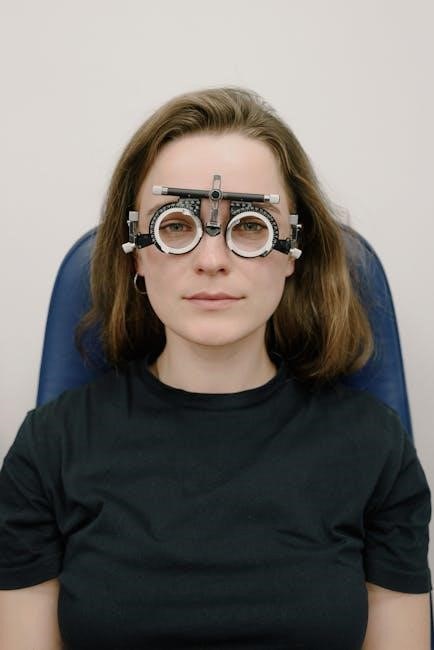
A Biofinity Multifocal Toric fitting demands a detailed patient assessment. Begin with a comprehensive case history‚ noting spectacle prescription‚ wearing schedule preferences‚ and any prior contact lens experience. Meticulous refraction‚ performed under standardized conditions‚ is paramount‚ including both distance and near visual acuity measurements. Evaluate binocular vision‚ assessing accommodative amplitude and phoria at near.
Detailed corneal topography mapping is essential to accurately determine astigmatism and rule out irregular corneal conditions. Assess tear film quality and quantity‚ addressing any dryness concerns before proceeding. Finally‚ a careful evaluation of pupil size in varying lighting conditions will inform lens design choices and optimize visual outcomes.
Refractive Error Evaluation
Accurate refraction is the cornerstone of a successful Biofinity Multifocal Toric fitting. Perform a thorough cycloplegic refraction‚ especially for patients with suspected accommodation issues. Precisely determine the spherical equivalent‚ cylinder power‚ and axis for both distance and near correction. Pay close attention to any refractive asymmetry between the eyes.
Document the complete spectacle prescription‚ including any add power. Consider performing monocular and binocular refraction to identify any residual astigmatism or accommodative lag. Utilize trial frames to confirm the refraction and ensure patient comfort. A precise understanding of the patient’s refractive error is crucial for selecting appropriate initial lens parameters.
Add Power Determination
Determining the correct add power is vital for successful near and intermediate vision. Begin by inquiring about the patient’s near vision demands and typical reading distances. Utilize a dynamic retinoscopy or subjective refraction technique to ascertain the appropriate add power. Consider the patient’s lifestyle and visual tasks when selecting the add power.

Start with a lower add power and gradually increase it until optimal near vision is achieved without compromising distance clarity. Binocular add power determination is preferred‚ but monocular refinement may be necessary. Remember that the Biofinity Multifocal Calculator can assist in suggesting initial add power values based on the patient’s refraction.
Toricity Assessment
Accurate toricity assessment is crucial for Biofinity Multifocal Toric lens fitting. Perform a thorough keratometry reading to determine the corneal astigmatism. Confirm the astigmatism axis using topography or manual keratometry. Evaluate the patient’s spectacle cylinder and axis‚ noting any differences from the corneal astigmatism.
Consider the patient’s history of contact lens wear and any previous toric lens fits. Assess toric orientation on-eye‚ as lens rotation can occur. Before refining multifocal powers‚ ensure the toric orientation is correct and adjust the axis if needed. Proper toricity assessment minimizes induced astigmatism and maximizes visual acuity at all distances.
Utilizing the Biofinity Multifocal Calculator
The Biofinity Multifocal Calculator is an invaluable digital resource designed to streamline the fitting process. Input the patient’s refractive error – sphere‚ cylinder‚ and axis – along with the desired add power. The calculator then suggests optimal lens parameters‚ considering both distance and near correction needs.
This tool accounts for the lens designs (D and N) optimized for each sphere and ADD power‚ enhancing vision at all distances. It’s crucial to remember the calculator provides a starting point; on-eye evaluation and refinement are still necessary. Utilize the calculator to efficiently narrow down parameter options‚ saving chair time and improving fitting success rates.
Initial Lens Parameter Selection
Begin by selecting the sphere power based on the patient’s distance refraction‚ aiming for the best visual acuity. Next‚ determine the cylinder power to correct astigmatism‚ ensuring accurate axis alignment. The axis orientation is critical for toric lens performance; initial selection should align with keratometry readings.
Leverage the Biofinity Multifocal Calculator’s suggestions as a starting point‚ but always consider individual patient needs. Remember the lens designs (D and N) are optimized for specific powers. Prioritize a comfortable fit alongside refractive correction; Document all selected parameters for consistent tracking and future adjustments during the fitting process.
Sphere Power Selection
Initiate sphere power selection using the patient’s most recent distance refraction‚ striving for optimal visual acuity. The Biofinity Multifocal Calculator provides a valuable starting point‚ but clinical judgment remains paramount. Consider the patient’s visual demands and lifestyle when refining the sphere power.
For presbyopic patients‚ a slight under-correction of the distance sphere may enhance near vision performance. However‚ avoid excessive under-correction‚ which can compromise distance clarity. Carefully balance distance and near acuity during the initial fitting. Document the chosen sphere power alongside all other lens parameters for accurate record-keeping and future adjustments.
Cylinder Power Selection
Accurate cylinder power selection is crucial for addressing astigmatism and maximizing visual performance with Biofinity Multifocal Toric lenses. Begin with the patient’s most recent refraction‚ ensuring precise measurement of astigmatic error. The Biofinity Multifocal Calculator assists in determining the appropriate cylinder power based on the patient’s individual needs.
Carefully evaluate the patient’s subjective responses during trial lens wear‚ noting any complaints of blurriness or distortion. Minor adjustments to cylinder power may be necessary to optimize visual acuity and comfort. Document the chosen cylinder power alongside all other lens parameters for accurate record-keeping and future adjustments. Prioritize patient comfort and clear vision throughout the fitting process.

Axis Orientation
Correct axis orientation is paramount when fitting Biofinity Multifocal Toric lenses‚ directly impacting visual acuity and patient comfort. Begin with the refraction’s axis value‚ but always verify on-eye performance. Assess toric orientation before refining multifocal powers; misaligned lenses can induce astigmatic blur‚ even with correct sphere and cylinder values.
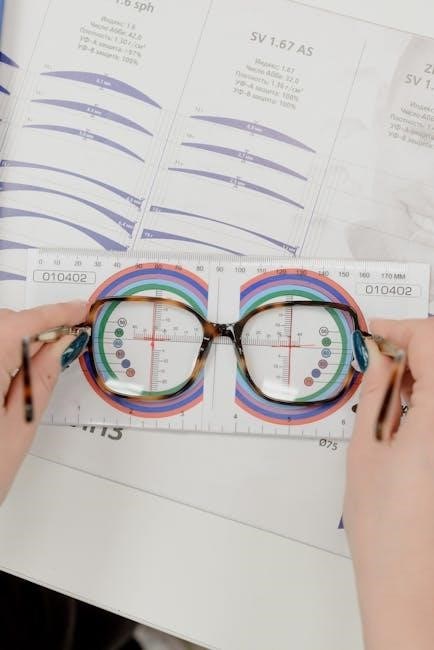
Observe the patient’s subjective responses and visual performance with each axis adjustment. Look for improvements in clarity and reduced distortion. Small adjustments (typically in 5-degree increments) can significantly affect vision. Document the final axis value meticulously. Proper axis alignment ensures the lens effectively corrects astigmatism at all distances‚ maximizing the benefits of the multifocal design.

On-Eye Evaluation & Refinement
On-eye evaluation is crucial for validating the initial lens parameter selection with Biofinity Multifocal Toric lenses. Begin by assessing vision binocularly under normal room lighting conditions. This allows for a realistic assessment of everyday visual performance. Observe the patient’s subjective responses carefully‚ noting any complaints of blur‚ distortion‚ or discomfort.
Refinement involves systematically adjusting lens parameters – sphere‚ cylinder‚ axis‚ and add power – based on the patient’s feedback. Prioritize toric orientation and axis alignment before modifying multifocal powers. Remember that lens equilibration takes time; allow for a minimum adaptation period before finalizing the prescription. Thorough evaluation ensures optimal vision and patient satisfaction.
Assessing Distance Vision
Distance vision assessment should occur in a familiar surrounding environment‚ replicating the patient’s typical viewing conditions under normal lighting. Encourage the patient to focus on objects at varying distances – across the room‚ and at intermediate points. Observe for clarity‚ sharpness‚ and any reports of blurriness or distortion.
Pay close attention to the patient’s subjective experience; ask specific questions about their ability to see details and judge distances. If distance vision is suboptimal‚ consider refining the sphere and cylinder powers‚ or verifying the axis orientation. Remember‚ a stable and clear distance image is foundational for overall visual success with Biofinity Multifocal Toric lenses.

Assessing Intermediate Vision
Intermediate vision evaluation is crucial‚ as this range supports many daily activities. Have the patient focus on an object at an intermediate distance – approximately arm’s length‚ similar to a computer screen. Ask them to identify details and assess clarity. Observe for any signs of blur‚ halos‚ or difficulty focusing.
This assessment helps determine if the add power is appropriately balanced for comfortable intermediate viewing. If issues arise‚ slight adjustments to the add power or a consideration of the lens design (D or N) may be necessary. Ensure the patient reports a clear and comfortable visual experience at this distance‚ as it significantly impacts daily function with Biofinity Multifocal Toric lenses.
Assessing Near Vision
Near vision assessment should mimic typical reading conditions. Instruct the patient to use their mobile phone or preferred reading material at a comfortable near distance. Observe their reading posture and ask them to identify text size and clarity. Inquire about any experienced strain‚ blurriness‚ or difficulty maintaining focus.

This step is vital for confirming the effectiveness of the chosen add power. If the patient struggles with near tasks‚ consider refining the add power or re-evaluating the lens design. Remember to assess binocularly with room lights on. Successful Biofinity Multifocal Toric fitting requires clear and comfortable near vision for everyday activities‚ ensuring patient satisfaction.
Troubleshooting Common Fitting Challenges
Fitting challenges with Biofinity Multifocal Toric lenses often involve optimizing vision at all distances. If initial parameters don’t yield satisfactory results‚ systematically address potential issues. Begin by verifying toric orientation and adjusting the axis if necessary‚ before refining multifocal powers. Common complaints include glare‚ halos‚ or fluctuating vision.
Carefully evaluate each distance – far‚ intermediate‚ and near – to pinpoint the source of the problem. If vision is unacceptable‚ follow the lens optimization steps provided by CooperVision. Remember that allowing sufficient adaptation time is crucial‚ but don’t hesitate to explore parameter adjustments for optimal comfort and clarity.
Lens Orientation Adjustment
Proper lens orientation is critical for Biofinity Multifocal Toric success. Assess toric orientation during the on-eye evaluation‚ observing for any signs of rotation or instability. If the lens has rotated‚ carefully adjust the axis to ensure optimal visual acuity and comfort. This adjustment is particularly important before refining the multifocal add power.
Observe the patient’s blink pattern and ask about any awareness of the lens position. Minor adjustments to the axis can significantly improve vision. Remember to re-evaluate distance and near vision after each adjustment to confirm the improvement. A stable lens position is fundamental for consistent and predictable performance.
Optimizing Add Power
Add power optimization is crucial for achieving clear vision at all distances with Biofinity Multifocal Toric lenses. Begin by assessing the patient’s near vision with a handheld device or reading material‚ noting any complaints of blur or difficulty. If near vision is unsatisfactory‚ consider adjusting the add power in 0.50D increments.
A slight increase in add power may improve near acuity‚ while a decrease could benefit intermediate vision. Monitor the patient’s response carefully‚ asking about comfort and clarity at various distances. Remember that lens design is optimized for each sphere and ADD power‚ so small changes can make a significant difference. Prioritize patient comfort and visual needs throughout the optimization process.
Addressing Vision Complaints
Patient feedback is paramount when addressing vision complaints with Biofinity Multifocal Toric lenses. Common issues include glare‚ halos‚ or fluctuating vision. Thoroughly investigate these concerns by revisiting the refractive error evaluation and toric orientation. Ensure the axis is correctly aligned‚ as misalignment can induce aberrations.
If complaints persist‚ consider refining the add power‚ remembering that small adjustments can significantly impact visual clarity. Evaluate distance‚ intermediate‚ and near vision separately to pinpoint the source of the problem. Encourage patients to adapt for the minimum adaptation period‚ as lenses will equilibrate quickly. Document all changes and patient responses meticulously for optimal outcomes.
Trial Lens Dispensing & Follow-Up
Successful fitting hinges on proper trial lens dispensing and diligent follow-up. If vision is acceptable after on-eye evaluation and refinement‚ dispense a trial set of Biofinity Multifocal Toric lenses for a minimum adaptation period. Clearly instruct patients on lens wear‚ care‚ and handling procedures.
Schedule a follow-up appointment within one to two weeks to assess adaptation‚ visual acuity at all distances‚ and overall comfort. Address any remaining complaints and make further adjustments as needed. Emphasize the importance of consistent wear during the trial period to allow for full adaptation. Thorough documentation of all findings is crucial for long-term success.
Minimum Adaptation Period
Although Biofinity Multifocal Toric lenses are designed for quick equilibration‚ a minimum adaptation period is essential for optimal results. Advise patients to wear the trial lenses consistently for at least one week‚ even if initial vision isn’t perfect. This allows the visual system to adjust to the multifocal design and toric correction.
Explain that some initial fluctuations in vision are normal during adaptation. Encourage patients to report any discomfort or persistent visual disturbances. A two-week trial period may be necessary for some individuals‚ particularly those with higher astigmatism or add power. Patience and consistent wear are key to successful adaptation and patient satisfaction.
Leave a Reply