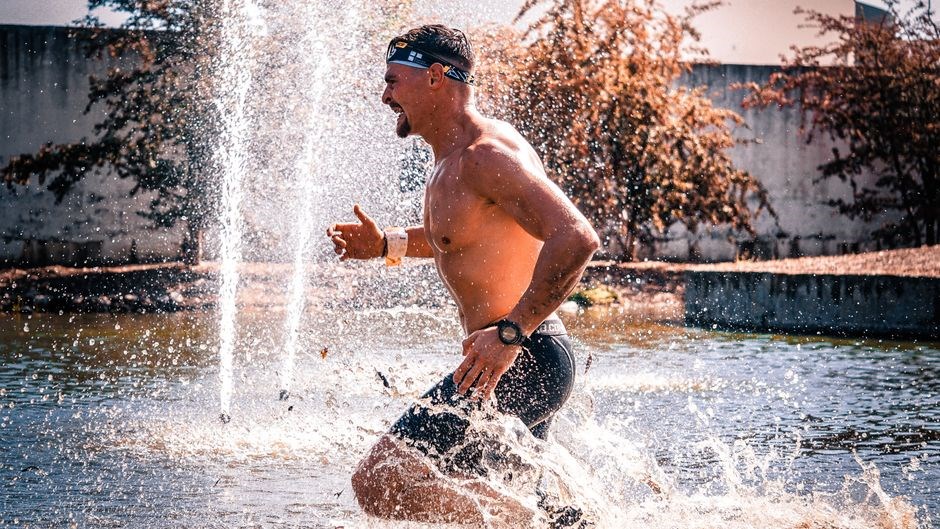
Overview of Navy SEAL Fitness PDFs
These PDFs compile official Navy SEAL training, offering structured workouts, PST prep, and BUD/S modules. They include cardiorespiratory drills, strength circuits, nutrition plans, and mental resilience tactics, all aligned with the latest NSW standards. Downloadable, searchable, and globally used today!!
Types of Navy SEAL Fitness PDFs Available
Below is a categorized snapshot of the most widely referenced PDF collections that support aspiring and current Navy SEALs. These documents are distributed by the Naval Special Warfare Command, partner training organizations, and vetted community contributors. Each type serves a distinct purpose in the overall training ecosystem.
- Official Training Guides – Authored by the Navy’s Physical Training Office, these PDFs contain the baseline curriculum, exercise prescriptions, and performance metrics that align with the latest NSW standards. They are updated annually and are the primary reference for instructors and trainees.
- PST Preparation Manuals – Dedicated to the Physical Screening Test, these documents outline test specifications, conditioning frameworks, and sample workouts. They are designed to help candidates meet the required time and distance thresholds for swimming, push‑ups, sit‑ups, and running.
- BUD/S Module PDFs – Structured around the six‑week Basic Underwater Demolition/SEAL course, these files break down each module (e.g., Open Water Swimming, Land‑Based Strength Circuit) into daily drills, progression charts, and safety guidelines.
- Nutrition & Recovery Guides – These PDFs provide caloric calculations, macronutrient ratios, meal timing strategies, and sleep hygiene protocols tailored to the high‑intensity demands of SEAL training.
- Mental Resilience Resources – Focused on psychological readiness, these documents cover visualization techniques, stress inoculation training, and scenario‑based mental conditioning exercises.
- Supplementary Training Materials – Includes specialized PDFs such as obstacle course schematics, underwater breathing drills, and advanced strength training logs that supplement the core curriculum.
All PDFs are freely downloadable from the official Navy SEAL website, reputable training portals, and community forums. Users should verify the publication year and version number to ensure alignment with current training protocols. PDFs are typically available in standard 8.5×11 format, compatible with any modern PDF reader, and can be printed or viewed on tablets for on‑the‑go reference. Updated editions are released every fiscal year, and many training sites offer version comparison tools to track changes in exercise prescription or test criteria. Community contributors often provide annotated PDFs, highlighting key points or offering personal insights, which can be invaluable for self‑study or group coaching sessions. Whether you’re a first‑time candidate or a seasoned operator, selecting the correct PDF type and version is essential for maintaining consistency with the Navy’s rigorous training framework.
Accessing Official Training Guides

Official Navy SEAL training PDFs are distributed through a handful of vetted channels. The primary source is the Naval Special Warfare Command’s own portal, where the latest editions of the “Navy SEAL Fitness Guide” (3rd edition, ISBN 9781578266487) are posted as free downloads. Users must register with a valid U.S. Navy email or a verified NSW affiliation to access the full PDF bundle, which includes the foreword, introduction, and chapters on physical fitness, mission‑related activities, and cardiorespiratory conditioning. In addition, the Navy’s Physical Training Office hosts a searchable archive on its website; each PDF is tagged with the fiscal year and version number so trainees can confirm they are using the most current material. For those unable to reach the official site the DOKUMEN.PUB repository offers a mirror of the same documents, labeled with the same ISBNs and release dates. The Internet Archive also preserves older editions (e.g., the 2016 edition of the US Naval Special Warfare Physical Training Guide) for reference, though these may lack recent updates. When downloading, always verify the file size and checksum against the values listed on the official page to avoid corrupted or tampered files. Once obtained, the PDFs can be opened in any standard reader printed for on‑the‑go use, or imported into a training management system for group distribution. By following these steps, candidates and instructors ensure they have the authoritative, up‑to‑date resources required for successful PST and BUD/S preparation.

Physical Screening Test (PST) Preparation
PDFs detail PST drills: 500‑meter swim, push‑ups, sit‑ups, and a 1‑mile run. They break each test into step‑by‑step warm‑ups, technique notes, and progressive reps. Trainers recommend daily 30‑minute swim, 3‑day strength blocks, and timed runs to build endurance.
Stayconsistent.
metrics up
Cardiorespiratory Conditioning for PST
In the Navy SEAL fitness PDF, the cardiorespiratory section is the cornerstone of PST readiness. The 500‑meter swim is broken into 100‑meter intervals, each with a 30‑second rest, to build aerobic capacity while maintaining form. The PDF recommends a progressive swim schedule: start with 4×100m, increase to 6×100m, then 8×100m over four weeks. Each session should include a 10‑minute warm‑up, dynamic stretches, and a cool‑down swim.
For land‑based conditioning, the guide lists three core drills: the 1‑mile run, the 500‑meter swim, and the 2‑mile run. It suggests a weekly split: Monday run, Wednesday swim, Friday run. Each run should be timed, with a goal to reduce pace by 5–10 seconds per week. The PDF also stresses the importance of heart‑rate monitoring; aim for 80–90% of maximum during the final 30 seconds of each run.
- Interval training: 4×400m swim at 90% effort, 1‑minute rest.
- Tempo runs: 2 miles at a steady pace, 70% HR.
- HIIT: 30‑second sprint, 30‑second jog, repeat 10 times.
The PDF includes a sample log sheet with columns for distance, time, heart rate, and perceived exertion. It advises daily hydration of 1.5–2 liters and a post‑workout protein‑carb ratio of 3:1 to aid recovery. Consistency, progressive overload, and proper recovery are highlighted as the keys to PST success.
Training logs should be reviewed, daily, noting pace and effort. Adjust volume; a 5% increase in distance each week keeps progression safe.
Strength and Endurance Drills
In the Navy SEAL fitness PDF, the strength section is a blend of body‑weight and weighted exercises designed to mimic combat loads. The core circuit repeats 5 rounds: 20 push‑ups, 15 pull‑ups, 10 burpees, 15 air squats, 10 plank‑to‑push‑ups. Each round lasts 90 seconds with 30‑second rest. The PDF recommends progressive overload: add a weighted vest after 3 rounds or increase reps by 2 each week.
Weighted carries are highlighted: the farmer’s walk (40 lb each hand) for 30 m, the sandbag carry (70 lb) for 20 m, and the overhead carry (30 lb) for 15 m. Perform 3 sets of each, resting 60 s. The PDF also includes the “tire flip” drill: flip a 200 lb tire 10 times, rest 45 s, repeat 3 times. These movements build explosive power and grip strength.
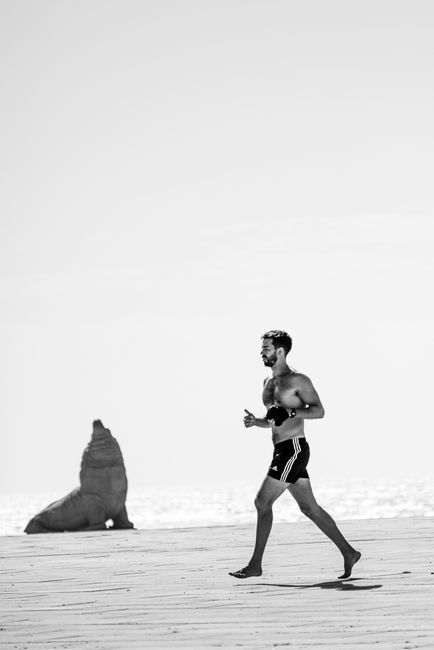
For endurance, the guide lists the “wall‑push” drill: 3 min of wall‑pushes, 1 min rest, repeat 4 times. The PDF also recommends the “bear‑crawl” for 30 m, 3 sets of 10 m each. The PDF stresses proper form: keep hips low, elbows close to body, and maintain a steady breathing pattern. A weekly log tracks sets, reps, and perceived exertion (RPE 1–10). The log includes a “progression” column to note when to add weight or reps.
Consistent overload recovery form the backbone of the program. The PDF recommends a 3‑day split: Monday heavy Wednesday moderate, Friday light. Each session ends with a 10‑min cool‑down jog, foam‑roll, and a 5‑min stretch. Hydration of 2 L per session protein intake of 1.2 g/kg body weight aid repair.
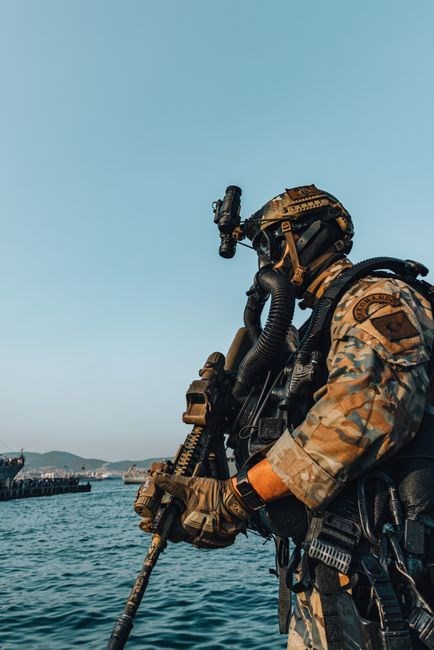
Basic Underwater Demolition/SEAL (BUD/S) Training Modules
These PDFs outline BUD/S modules: Open Water Swimming, Land‑Based Strength Circuit, Tactical Endurance, Recovery. Each module lists drills, distances, and progression, aligning with standards to prepare candidates for rigorous selection.
Module 1: Open Water Swimming
Module 1 focuses on building endurance, breath control, and water confidence. Trainees begin with short, timed swims in a controlled pool, progressing to open‑water sessions that simulate the Pacific conditions of BUD/S. Each session includes a 500‑meter swim at a steady pace, followed by a 200‑meter sprint to sharpen anaerobic capacity. The PDF outlines specific drills such as bilateral breathing, treading water in a “crab” position, and “tuck” turns to improve body alignment. Coaches use a stopwatch and lap counter to track progress, while instructors emphasize the importance of maintaining a neutral body position to reduce drag. The module also incorporates mental conditioning; trainees are encouraged to visualize a calm, blue horizon while focusing on rhythmic breathing. Recovery protocols are detailed, recommending a 10‑minute cool‑down swim at a relaxed pace, followed by stretching of the shoulders, hips, and ankles. Nutrition guidance suggests a carbohydrate‑rich snack within 30 minutes post‑swim to replenish glycogen stores. The PDF stresses the need for consistent practice, recommending a minimum of three open‑water swims per week, each lasting 45 minutes, to build the stamina required for the later phases of BUD/S. Additionally, the guide includes a checklist for gear inspection, ensuring that wetsuits, goggles, and swim fins are in optimal condition before each session. By following this structured approach, trainees develop the cardiovascular base, muscular endurance, and psychological resilience essential for success in the demanding underwater environment of Navy SEAL training.
Module 2: Land-Based Strength Circuit
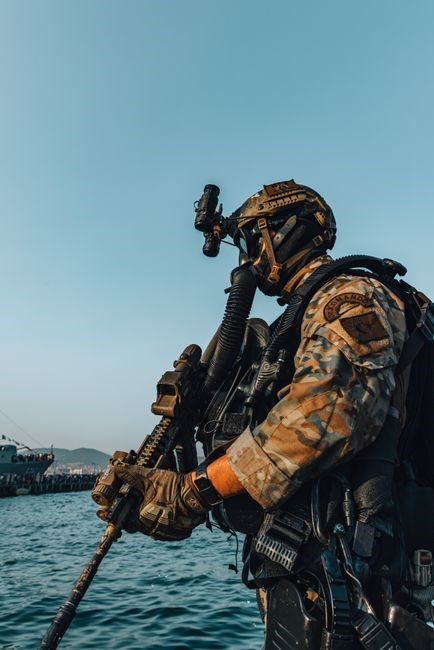
In this phase, trainees transition from water endurance to explosive, full‑body power. The circuit is divided into three stations: core‑strength, upper‑body pull, and lower‑body blast. Each station lasts 90 seconds, followed by a 30‑second transition. The PDF recommends 4 rounds per session, with a 2‑minute rest between rounds. Exercises include weighted pull‑ups, weighted push‑ups, pistol squats, and sled drags. Trainees are instructed to maintain a neutral spine, engage the core, and use a controlled breathing pattern: inhale on the eccentric phase, exhale on the concentric. Progression is built by adding 5‑lb plates or increasing the number of repetitions by 2 each week. The guide stresses the importance of joint mobility; a pre‑session dynamic warm‑up (leg swings, arm circles, hip circles) should last 10 minutes. Post‑session, a 15‑minute cool‑down with static stretches for the hamstrings, quadriceps, and shoulders is prescribed. Hydration is critical; the PDF advises 500 ml of water before the first round and 250 ml every 30 seconds during the circuit. Nutrition advice includes a protein‑rich snack within 45 minutes after training to aid muscle repair. Coaches use a digital timer and a scorecard to track performance metrics: total reps, time under tension, and perceived exertion. This structured approach ensures trainees develop the muscular endurance, power, and resilience required for the demanding land‑based challenges of BUD/S. Consistent adherence to this circuit builds elite performance daily now;
Nutrition and Recovery Strategies
The PDF outlines a balanced macro plan: 2,500–3,000 kcal/day, 30% protein, 40% carbs, 30% fats. It recommends 1.5 g protein/kg, frequent meals, and electrolytes. Recovery includes 7–8 h sleep, active foam‑rolling, and 24‑hr rest after heavy sessions.Hydration: 3 L/day, 30 min post‑workout stretch.!!
Caloric Needs and Macronutrient Distribution
According to the latest Navy SEAL fitness PDF, a trainee’s daily caloric intake should range from 2,500 to 3,000 kcal, adjusted for body weight, activity level, and training intensity. The macro split is 30% protein, 40% carbohydrates, and 30% healthy fats. This translates to roughly 1.5 grams of protein per kilogram of body weight, ensuring muscle repair and growth during the rigorous BUD/S schedule.
Carbohydrate consumption should focus on complex sources—whole grains, legumes, and vegetables—to sustain energy for long swims, runs, and strength circuits. Healthy fats, such as omega‑3s from fish or flaxseed, support joint health and hormone regulation. Protein timing is critical: a protein‑rich snack within 30 minutes post‑workout maximizes recovery, while a balanced meal every 3–4 hours maintains metabolic stability.

To fine‑tune caloric intake, trainees should log daily food and training data, using a spreadsheet or mobile app, and adjust portions by 5–10% based on weight changes and training load. During high‑intensity blocks, a 20–30 g protein shake within 15 minutes post‑session aids glycogen replenishment. Additionally, including 0.3 g of sodium per kilogram of body weight helps maintain electrolyte balance during extended swims or runs.
Hydration should be 3–4 L/day with electrolytes during long sessions.A post‑training drink with 20–25 g carbs and 10–12 g protein boost recovery.
Sleep Optimization and Recovery Protocols
In the Navy SEAL fitness PDF, sleep is treated as a core pillar of training. The recommended nightly duration is 8–9 hours, with a consistent bedtime and wake‑up time to stabilize circadian rhythms. Trainees are advised to create a dark, cool sleep environment, limit blue‑light exposure an hour before bed, and use white‑noise or earplugs to block ambient noise.

Recovery protocols emphasize active rest. Light mobility work, foam‑rolling, and stretching sessions should be scheduled on the day after intense BUDS drills. A 20‑minute post‑workout cooldown, followed by a 10‑minute guided breathing exercise, helps reduce cortisol and promotes parasympathetic activation.
Nutrition timing supports sleep quality. Consuming a small protein‑carbohydrate snack (e.g., Greek yogurt with berries) 60–90 minutes before bed increases melatonin production. Avoiding caffeine after 2 pm and limiting alcohol intake are also recommended. Hydration should be maintained throughout the day but reduced 2–3 hours before sleep to prevent nocturnal awakenings.
Monitoring tools such as wearable sleep trackers or a simple sleep diary allow trainees to assess sleep efficiency and identify patterns. If sleep efficiency falls below 85%, the PDF suggests adjusting bedtime, reducing screen time, or incorporating a short 20‑minute nap during the day to compensate.
Finally, the PDF underscores that sleep is not a passive activity; it is a dynamic recovery process that directly influences strength gains, cognitive function, and overall mission readiness. Consistent adherence to these protocols yields measurable improvements in performance and reduces injury risk.
Mental Resilience and Tactical Conditioning
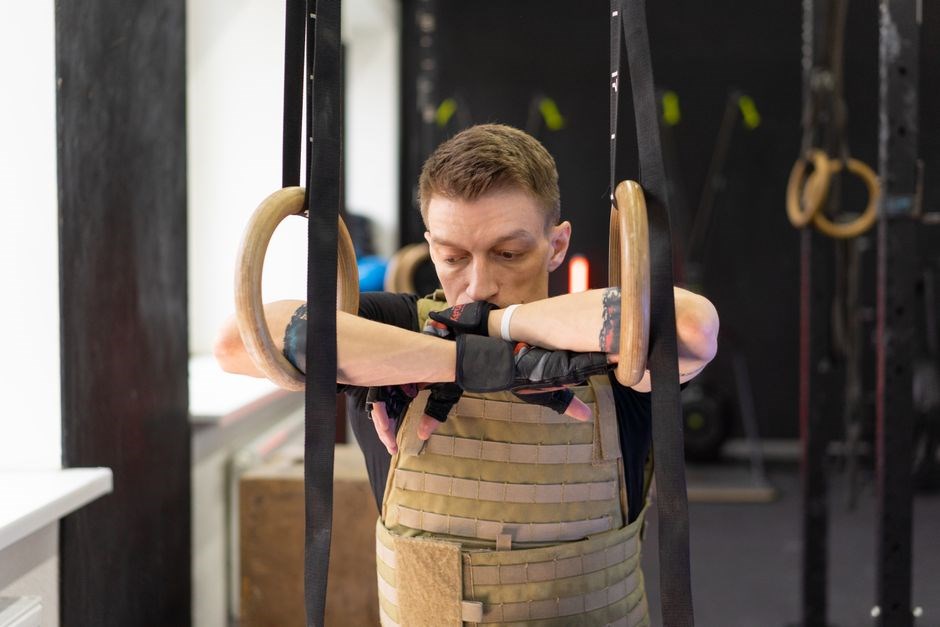
PDF guides emphasize mental toughness, using visualization, breathing drills, and scenario simulations to build stress resilience. Tactical conditioning merges cognitive drills with physical tasks, ensuring operatives perform under pressure. Stay sharp.
Visualization and Stress Management Techniques
Visualization and stress‑management modules in Navy SEAL fitness PDFs guide trainees through mental rehearsal of high‑pressure scenarios. By picturing a timed obstacle, a swimmer visualizes breath control, pacing, and body positioning, reinforcing neural pathways that reduce anxiety during the Physical Screening Test (PST). The PDFs recommend progressive exposure: start with calm breathing, then incorporate a 5‑minute mental walk through a mock BUD/S run, followed by a full‑body routine under simulated noise and fatigue. Techniques such as the 4‑2‑8 breathing pattern, body‑scan relaxation, and the “mental checkpoint” method are highlighted. Stress‑management drills also include controlled exposure to hypoxic training, where trainees practice holding breath while visualizing a rescue operation, thereby conditioning the autonomic nervous system to maintain composure. The documents emphasize the importance of post‑exercise debriefing, where athletes record emotional responses, identify triggers, and adjust visualization scripts accordingly. By integrating these practices into daily workouts, trainees develop resilience, maintain focus, and improve performance under extreme conditions.
These PDFs also provide guided audio scripts that trainees can play during low‑intensity recovery, reinforcing the mental imagery loop. The stress‑management section includes progressive muscle‑relaxation sequences, where athletes systematically tense and release muscle groups while focusing on breathing rhythms. Additionally, the documents recommend a daily “mind‑map” exercise: after each training session, trainees jot down key emotional triggers, rate their intensity, and plan specific visualization cues for future drills. This systematic approach ensures that mental conditioning evolves in tandem with physical progress, creating a holistic training regimen that mirrors real‑world operational demands. These drills are practiced daily.now
Tactical Scenario-Based Training Exercises
These PDFs present scenario‑driven drills that mirror real‑world missions, enabling trainees to translate physical conditioning into tactical performance. Each exercise is broken into phases: pre‑mission planning, execution, and post‑mission debrief. For example, a “night‑time infiltration” module requires athletes to sprint 400 m, carry a weighted pack, and navigate a simulated obstacle course under blackout conditions, all while maintaining a 4‑2‑8 breathing pattern to manage stress. A “combat‑rescue” scenario tasks trainees with a 200‑m swim, a 30‑second hold, and a rapid deployment onto a mock platform, emphasizing core stability and rapid transition from swimming to land. The PDFs also include “enemy engagement” drills where athletes must perform a timed 10‑minute run, complete a 5‑minute high‑intensity interval, and then execute a simulated hand‑to‑hand fight using improvised weapons, reinforcing hand‑to‑hand combat skills under fatigue. Each scenario is paired with a detailed checklist that covers equipment, body positioning, and breathing cues, ensuring that trainees focus on both physical execution and tactical decision‑making. The documents recommend a progressive difficulty curve: start with low‑intensity scenarios, then incrementally add environmental stressors such as heat, sand, or simulated enemy fire. By embedding these tactical drills into daily training, athletes develop the ability to maintain composure, adapt quickly, and execute mission objectives even when physically exhausted. The PDFs also provide video links and printable maps for each scenario, allowing trainees to visualize terrain and plan routes before stepping onto the training field. These drills are designed to be performed in groups fostering teamwork and communication pressure and are accompanied by after‑action reviews that highlight tactical lessons!!!!
Leave a Reply