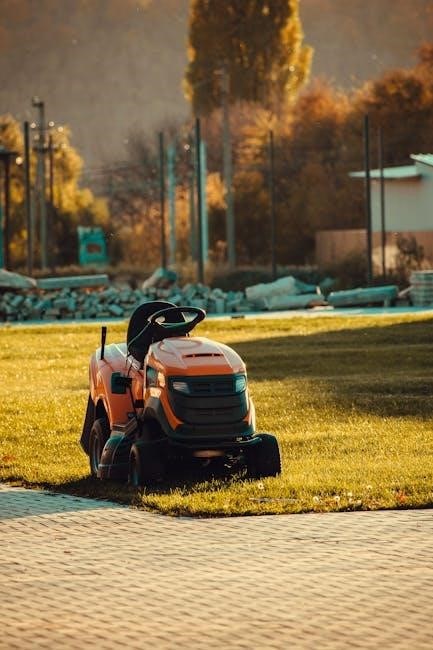
Lawn care doesn’t need to be complicated! This guide, inspired by Cornell Cooperative Extension resources, simplifies achieving a healthy, vibrant lawn for all homeowners.
Focusing on practical advice, like mowing taller and utilizing slow-release fertilizers, ensures a beautiful, sustainable lawn without excessive effort or chemicals.
What is a “Dummy’s” Guide?
This “Dummy’s” guide, mirroring the spirit of accessible resources like those from Cornell University, breaks down lawn care into manageable steps. It’s designed for homeowners who want a beautiful lawn but feel overwhelmed by complex terminology or procedures.
We aim to demystify the process, offering clear, concise instructions based on industry standards from organizations like the National Association of Landscape Professionals. Forget complicated jargon; this is about practical, effective lawn care anyone can achieve, fostering cleaner streams and lakes through healthy practices.
Why Lawn Care Matters
Beyond aesthetics, responsible lawn care significantly impacts our environment. Healthy lawns act as natural filters, improving water quality and reducing runoff, benefiting streams and lakes even for those without waterfront property.
Proper techniques, like grasscycling and avoiding over-fertilization, minimize chemical use and promote biodiversity. A well-maintained lawn also increases property value and provides a valuable outdoor space for recreation and enjoyment, contributing to community well-being.

Understanding Your Lawn
Knowing your grass type and soil is key! Cool-season and warm-season grasses have different needs, as does soil pH – a test is recommended.
Grass Types: Cool-Season vs. Warm-Season
Identifying your grass type is fundamental to proper care. Cool-season grasses, like Kentucky bluegrass and fescue, thrive in northern climates with cold winters and moderate summers, exhibiting peak growth during spring and fall.
Conversely, warm-season grasses – such as Bermuda, Zoysia, and St. Augustine – flourish in southern regions with hot summers and mild winters, becoming dormant during cooler months. Understanding this distinction dictates fertilization schedules and overall maintenance strategies for optimal lawn health.
Soil Basics: pH and Composition
Healthy lawns begin with healthy soil! Soil pH, measuring acidity or alkalinity, significantly impacts nutrient availability. Most grasses prefer a slightly acidic pH between 6.0 and 7.0. A soil test, readily available through Cornell Cooperative Extension, determines your soil’s pH and nutrient levels.
Soil composition – the balance of sand, silt, and clay – influences drainage and aeration. Loamy soil, a mix of all three, is ideal. Adjusting pH with lime or sulfur, and amending with organic matter, improves soil health and supports robust grass growth.
Identifying Common Lawn Problems
Recognizing issues early is key! Common problems include patchy growth, discoloration, and weed infestations. These can stem from improper mowing, fertilization, watering, or pest/disease pressure. Yellowing grass might indicate nutrient deficiencies or overwatering, while brown patches could signal fungal diseases.
Weeds compete for resources, and pest damage appears as irregular spots. Careful observation and prompt action, guided by resources like Cornell’s publications, prevent minor issues from escalating into major lawn crises.
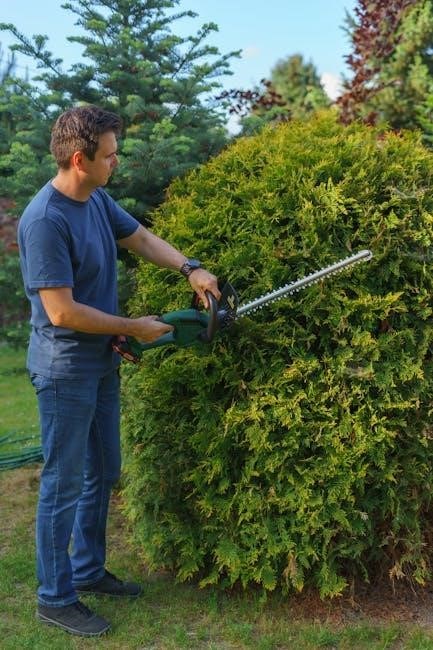
Essential Lawn Care Tools
Success starts with the right equipment! You’ll need a mower, fertilizer spreader, and potentially pest control applicators for a thriving, healthy lawn.
Mowers: Types and Maintenance
Choosing the right mower is crucial. Rotary mowers are common for home lawns, while reel mowers offer a cleaner cut but require more effort. Regular maintenance extends your mower’s life. This includes sharpening blades for a clean cut, changing the oil (for gas mowers), and cleaning the deck to prevent rust and buildup.
Always disconnect the spark plug before performing any maintenance on a gas mower. Inspect belts and cables regularly, and ensure proper air filter cleaning. A well-maintained mower delivers a healthier lawn and saves you money in the long run.
Fertilizers: Choosing the Right One
Selecting the appropriate fertilizer is key to lawn health. Look for fertilizers with a balanced N-P-K ratio – Nitrogen, Phosphorus, and Potassium. A 3-1-2 or 4-1-2 ratio (like 15-5-10) is recommended for spring application, promoting growth without excessive phosphorus.
Prioritize slow-release fertilizers, where at least 50% of the nitrogen is in a slow-release form, for sustained feeding. A soil test is invaluable to determine specific nutrient deficiencies and avoid over-fertilization, protecting both your lawn and the environment.
Spreaders: Drop vs. Rotary
Choosing between drop and rotary spreaders depends on lawn size and precision needs. Drop spreaders release fertilizer directly below, ideal for smaller lawns and preventing product drift onto sidewalks or gardens. They require careful overlapping passes for even coverage.
Rotary spreaders, conversely, use a spinning disc for wider distribution, making them efficient for larger areas. However, they are more prone to uneven application if not calibrated correctly, potentially leading to patchy results.
Mowing Techniques for a Healthy Lawn
Maintaining a healthy lawn hinges on proper mowing! Set blades to three inches, mow frequently, and embrace grasscycling for optimal growth and vitality.
Optimal Mowing Height
Determining the ideal mowing height is crucial for a thriving lawn. Generally, maintaining a grass height of around three inches is recommended, as highlighted by resources like the Cornell Cooperative Extension.
Taller grass promotes deeper root systems, enhancing drought tolerance and overall lawn health; Avoid scalping the lawn by removing more than one-third of the grass blade length during each mowing session.
Adjust your mower accordingly based on your specific grass type, but prioritizing a slightly higher cut fosters a more resilient and visually appealing turf.
Mowing Frequency
Consistent mowing is key, but frequency depends on grass growth rate. During peak growing seasons, typically spring and early summer, weekly mowing is often necessary to maintain the optimal three-inch height.
As growth slows in hotter or drier periods, you can reduce mowing to every other week. Avoid letting the grass become excessively long before cutting, as this can stress the turf.
Regular mowing encourages denser growth and prevents weed infestations, contributing to a healthier, more attractive lawn overall. Adjust your schedule based on visual assessment.
Grasscycling: Leaving Clippings on the Lawn
Grasscycling – leaving grass clippings on the lawn – is a fantastic, free fertilizer! Clippings decompose, returning valuable nutrients like nitrogen back into the soil, reducing your fertilizer needs.
Ensure clippings are finely chopped by using a mulching mower or a sharp blade. Avoid leaving large clumps, which can smother the grass.
This practice promotes a healthier lawn and reduces landfill waste, aligning with sustainable lawn care practices. It’s a simple step with significant benefits!
Fertilizing Your Lawn
Fertilizers provide essential nutrients for a lush lawn. Understanding N-P-K ratios (like 10-6-4 or 15-5-10) is key to choosing the right product for your needs.
Understanding Fertilizer Numbers (N-P-K)
Fertilizer labels display three numbers representing the percentage of Nitrogen (N), Phosphorus (P), and Potassium (K). Nitrogen promotes green growth, phosphorus supports root development, and potassium enhances overall plant health and disease resistance.
For example, a 10-6-4 fertilizer contains 10% nitrogen, 6% phosphorus, and 4% potassium. Selecting the right ratio depends on your lawn’s needs; a 3-1-2 or 4-1-2 ratio is recommended after green-up, prioritizing nitrogen for initial growth.
Always consider a slow-release fertilizer, where at least 50% of the nitrogen is in a slow-release form, for sustained feeding.
When to Fertilize: Spring, Summer, Fall
Fertilizing schedules are crucial for a healthy lawn. Begin with a spring application two weeks after green-up (mid-April to early May), using a 3-1-2 or 4-1-2 nutrient ratio fertilizer.
Summer fertilization is generally less critical, but a light application can maintain growth. Fall fertilization is vital for strengthening roots before winter, potentially using a more balanced ratio for low-maintenance turf.
Avoid over-fertilizing; a soil test can determine specific nutrient deficiencies and guide appropriate application rates.
Slow-Release vs. Quick-Release Fertilizers
Choosing the right fertilizer release type impacts lawn health. Quick-release fertilizers provide an immediate boost but require more frequent applications and risk burning the grass.
Slow-release fertilizers, where at least 50% of the nitrogen is in a slow-release form, offer a sustained feeding over several weeks, promoting consistent growth.
Slow-release options are generally preferred for their reduced risk of damage and more efficient nutrient utilization, leading to a healthier, more resilient lawn.
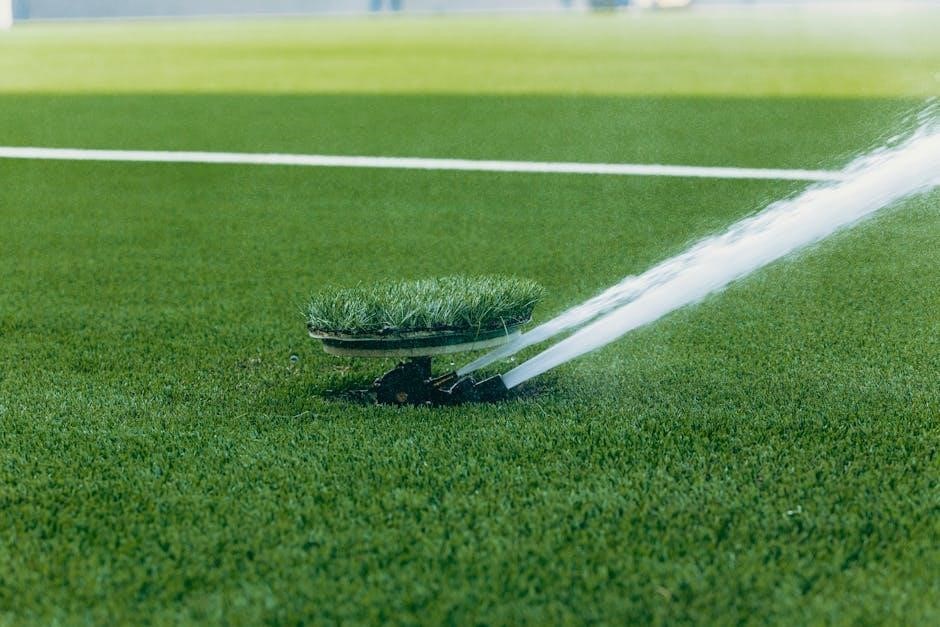
Watering Practices
Efficient watering is key to a thriving lawn! Understanding your lawn’s needs and avoiding overwatering promotes deep root growth and overall health.
How Much Water Does Your Lawn Need?
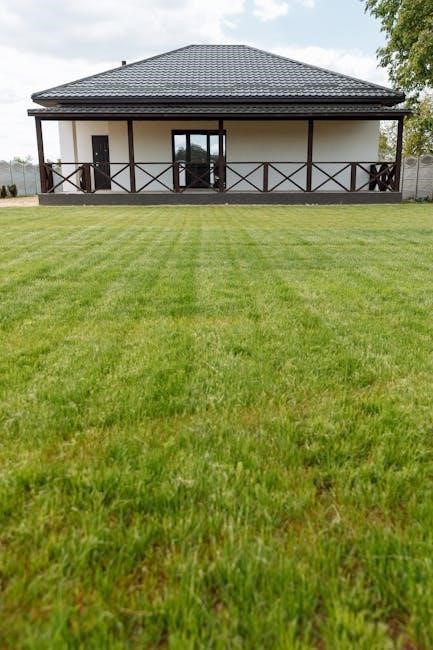
Determining the right amount of water is crucial. Generally, lawns need about one inch of water per week, including rainfall. A simple test involves placing straight-sided cans around your lawn during watering to measure output.
Soil type impacts water needs; sandy soils drain faster, requiring more frequent, shorter watering sessions, while clay soils retain water longer. Observe your lawn for signs of stress, like wilting or a bluish-gray color, indicating a need for hydration.
Best Time to Water
Early morning is the ideal time to water your lawn, typically between 6:00 AM and 10:00 AM. This minimizes evaporation, allowing the water to deeply penetrate the soil and reach the roots effectively.
Avoid watering in the evening as it can promote fungal diseases due to prolonged moisture on the grass blades; Watering during the hottest part of the day leads to significant water loss through evaporation, reducing efficiency.
Avoiding Overwatering
Overwatering is a common mistake that can lead to shallow root systems, fungal diseases, and weed problems. A healthy lawn needs deep, infrequent watering rather than frequent, shallow sprinkles.
Monitor your lawn for signs of overwatering, such as soggy areas, algae growth, or a sour smell. Adjust your watering schedule based on rainfall and seasonal changes to prevent water waste and maintain a thriving lawn.
Weed Control
Effective weed control involves identification and strategic herbicide use – pre-emergent to prevent, post-emergent to treat. Natural methods offer alternatives too!
Identifying Common Lawn Weeds
Accurate weed identification is the first step towards effective control. Common culprits include broadleaf weeds like dandelions and clover, easily spotted by their distinct leaves and flowers. Grassy weeds, such as crabgrass, blend in more, requiring closer inspection. Recognizing these weeds allows for targeted herbicide application or the selection of appropriate natural control methods.
Understanding a weed’s lifecycle – annual, biennial, or perennial – also informs your strategy. Annuals complete their life cycle in one year, while perennials return year after year, demanding persistent management.
Pre-Emergent vs. Post-Emergent Herbicides
Pre-emergent herbicides prevent weed seeds from germinating, forming a chemical barrier in the soil. Applied in early spring, they target annual weeds like crabgrass before they appear. Post-emergent herbicides, conversely, kill existing weeds that have already sprouted. These are effective against both broadleaf and grassy weeds, but require careful application to avoid damaging your lawn.
Choosing the right herbicide depends on the weed type and timing. Always follow label instructions precisely for optimal results and safety.
Natural Weed Control Methods
A healthy, dense lawn is the best natural weed control! Proper mowing height (around three inches) shades the soil, inhibiting weed germination. Hand-pulling weeds, especially when young, is effective for small infestations. Corn gluten meal acts as a pre-emergent, suppressing weed seed development.
Mulching garden beds prevents weed seeds from reaching the soil. Consider solarization – covering areas with plastic to kill weeds with heat.
Pest Control
Integrated Pest Management (IPM) is key! Identify pests and damage before reacting. Healthy lawns resist pests; focus on proper care for a strong defense.
Common Lawn Pests
Several pests can plague lawns, including grubs, chinch bugs, and sod webworms. Grubs, the larvae of Japanese beetles and other beetles, feed on grass roots, causing brown patches. Chinch bugs suck sap from grass blades, leading to yellowing and eventual death, particularly during hot, dry weather.
Sod webworms are moth larvae that chew on grass blades, creating irregular brown spots and silk-lined tunnels. Regularly inspecting your lawn for signs of these pests is crucial for early detection and effective management, preventing widespread damage.
Identifying Pest Damage
Recognizing pest damage is the first step towards effective control. Grub damage appears as irregular brown patches that lift easily, revealing grubs beneath. Chinch bug infestations show as yellowing, drought-stressed areas, often near sidewalks or driveways.
Sod webworm damage presents as small, irregular brown spots with visible silken tunnels and clipped grass blades. Look for the worms themselves, small caterpillars, near damaged areas. Early identification allows for targeted treatment, minimizing lawn disruption.
Integrated Pest Management (IPM)
Integrated Pest Management (IPM) prioritizes prevention and minimizes pesticide use. Start with healthy lawn practices – proper mowing, fertilization, and watering – to build resistance. Regularly monitor for pests and damage, accurately identifying the problem before reacting.
Consider biological controls like beneficial nematodes for grub control. If pesticides are necessary, choose selective options and apply them precisely, following label instructions carefully. IPM is a long-term, sustainable approach.
Dealing with Lawn Diseases
Preventative measures are key! Proper watering, aeration, and avoiding excessive nitrogen promote healthy turf, resisting common fungal diseases and maintaining lawn vitality.
Recognizing Common Lawn Diseases
Identifying lawn diseases early is crucial for effective treatment. Look for discolored patches – brown, yellow, or even reddish hues – that may indicate a fungal infection. Common culprits include brown patch, dollar spot, and red thread.
Observe the grass blades themselves. Are they melting, wilting, or covered in a powdery substance? These are telltale signs. Leaf spots, often circular or irregular, are also indicative of disease. Early detection, coupled with proper identification, allows for targeted intervention and prevents widespread damage.
Preventative Measures
Proactive lawn care is the best defense against diseases. Maintaining a healthy lawn through proper mowing height (around three inches) and avoiding overwatering strengthens grass resilience.
Ensure good air circulation by pruning shrubs and trees. Regularly remove thatch buildup, as it creates a breeding ground for fungal pathogens. Fertilize appropriately, avoiding excessive nitrogen, which can make grass more susceptible. Consider disease-resistant grass varieties when overseeding for long-term protection.
Fungicide Application
Fungicides should be a last resort, employed only after preventative measures fail and a disease is positively identified. Accurate diagnosis is crucial; misapplication can worsen the problem or harm the lawn.
Always follow label instructions carefully regarding application rates and safety precautions. Consider systemic fungicides for curative action, but understand they offer limited residual control. Spot treatments are preferable to broad applications, minimizing environmental impact and resistance development.
Aeration and Thatching
Aeration alleviates soil compaction, improving air and water movement to roots. Thatching—excess organic matter—can block these benefits, requiring removal for a healthier lawn.
What is Aeration and Why is it Important?
Aeration is the process of creating small holes in your lawn, allowing air, water, and nutrients to penetrate the soil more effectively. Over time, soil becomes compacted due to foot traffic and mowing, hindering root growth and overall lawn health.
This compaction restricts essential elements from reaching the roots, leading to a thin, weak lawn susceptible to diseases and weeds. Aeration alleviates this by loosening the soil, promoting deeper root development, and improving drainage. A well-aerated lawn is a healthier, more resilient lawn!
What is Thatching and When to Remove It?
Thatch is a layer of dead organic matter – grass clippings, roots, and stems – that accumulates between the green grass blades and the soil surface. A thin layer of thatch is beneficial, acting as a natural mulch, but excessive thatch can become problematic.
A thick thatch layer prevents water, air, and nutrients from reaching the soil, creating a breeding ground for pests and diseases. Remove thatch when it exceeds ½ inch, typically through dethatching or power raking, to restore healthy lawn conditions.
Overseeding Your Lawn
Overseeding introduces new grass seeds to an existing lawn, thickening the turf and improving its resilience. Fall is ideal, utilizing Cornell’s seed recommendations for best results!
When to Overseed
The optimal time for overseeding is late summer to early fall, typically from mid-August through September. Cooler temperatures and adequate moisture create ideal conditions for seed germination and establishment. Avoid overseeding during the heat of summer, as seedlings are vulnerable to drought stress.
Spring overseeding is less effective due to weed competition and warmer temperatures. Following green-up, around mid-April to early May, is a secondary option, but requires diligent watering and weed control. Prioritize fall for a thicker, healthier lawn!
Choosing the Right Seed
Selecting the appropriate grass seed is crucial for success. Before purchasing, consult Cornell Cooperative Extension’s turfgrass recommendations for your region. Consider your lawn’s sun exposure – choose sun-tolerant varieties for full sun, and shade-tolerant for partially shaded areas.
Kentucky bluegrass, perennial ryegrass, and fine fescues are common choices. Blend different seed types for improved resilience and adaptability. Ensure the seed is certified to guarantee quality and purity.
Overseeding Techniques
Proper overseeding maximizes seed-to-soil contact. First, mow the lawn short and remove clippings. Lightly rake to loosen the soil surface, creating small grooves for the seed. Use a spreader to apply seed evenly, following package recommendations.
Lightly rake again to work the seed into the soil, then water gently but thoroughly. Keep the soil consistently moist until germination, typically 7-21 days, avoiding heavy watering that washes seeds away.
Fall Lawn Preparation
Fall is crucial for lawn health! Final fertilization and thorough leaf removal prepare the grass for winter dormancy, ensuring a strong spring recovery.
Final Fertilization
Applying a final fertilizer in the fall is a cornerstone of lawn care. This late-season feeding replenishes nutrient reserves depleted during the growing season, strengthening roots for winter and promoting vigorous spring growth.
Consider a fertilizer with a more even ratio, like those mentioned in Cornell’s guides (e.g., 15-5-10, 16-6-12), for low-maintenance turf. Avoid over-fertilizing; a slow-release nitrogen source, with at least 50% in slow-release form, is ideal for sustained feeding.
This practice significantly improves the lawn’s resilience against winter stress and ensures a lush, green appearance when spring arrives.
Leaf Removal
Prompt leaf removal is crucial for fall lawn preparation. A thick layer of leaves can smother grass, blocking sunlight and trapping moisture, which fosters disease and inhibits growth. Don’t allow leaves to accumulate significantly.
Regular raking or mulching with a mower are effective methods. Mulching finely chops leaves, returning nutrients to the soil as they decompose – a beneficial practice.
Removing leaves prevents snow mold and ensures good air circulation, contributing to a healthier lawn throughout the winter months and a vibrant spring recovery.
Winterizing Your Lawn
Proper winterization prepares your lawn for dormancy and spring revival. After leaf removal and a final fertilization, minimize foot traffic on frozen grass to prevent compaction and damage to the crowns.
Consider a winterizer fertilizer with a balanced nutrient ratio to strengthen roots during the cold months. Avoid applying fertilizer if the ground is frozen or heavy snow is expected.
Ensure proper drainage to prevent ice buildup and potential fungal diseases. A healthy, well-prepared lawn will emerge stronger in the spring.
Resources for Further Learning
Expand your knowledge! Explore Cornell Cooperative Extension publications and the National Association of Landscape Professionals for expert guidance and local support.
Cornell Cooperative Extension Publications
Cornell University’s Cooperative Extension offers invaluable, research-backed resources for lawn care success. Publications like “Lawn Care without Pesticides” by Frank Rossi, Ph.D., provide comprehensive guidance on achieving a healthy lawn using sustainable practices.
Access their “Cornell Turfgrass Species and Variety Recommendations” before seeding to ensure optimal grass selection for your region. These resources, available through the Resource Center at Cornell Business and Technology Park, empower homeowners with the knowledge to cultivate thriving lawns responsibly.
National Association of Landscape Professionals
The National Association of Landscape Professionals (NALP) provides industry standards and certification programs for lawn care professionals. Look for companies accredited as “Landscape Accredited Industry Companies” to ensure quality service and expertise.
NALP’s resources can help you identify qualified professionals if you prefer outsourcing lawn maintenance. Their website, landscapeprofessionals.org, offers valuable information and a directory of certified providers dedicated to responsible and effective lawn care practices.
Local Garden Centers
Your local garden center is an invaluable resource for personalized lawn care advice. They understand regional climate variations and soil types, offering tailored recommendations for grass seed, fertilizers, and pest control.
Knowledgeable staff can assist with soil testing interpretation and help you select products suited to your specific lawn’s needs. Supporting local businesses also fosters community expertise and ensures access to fresh, relevant information.
Leave a Reply